
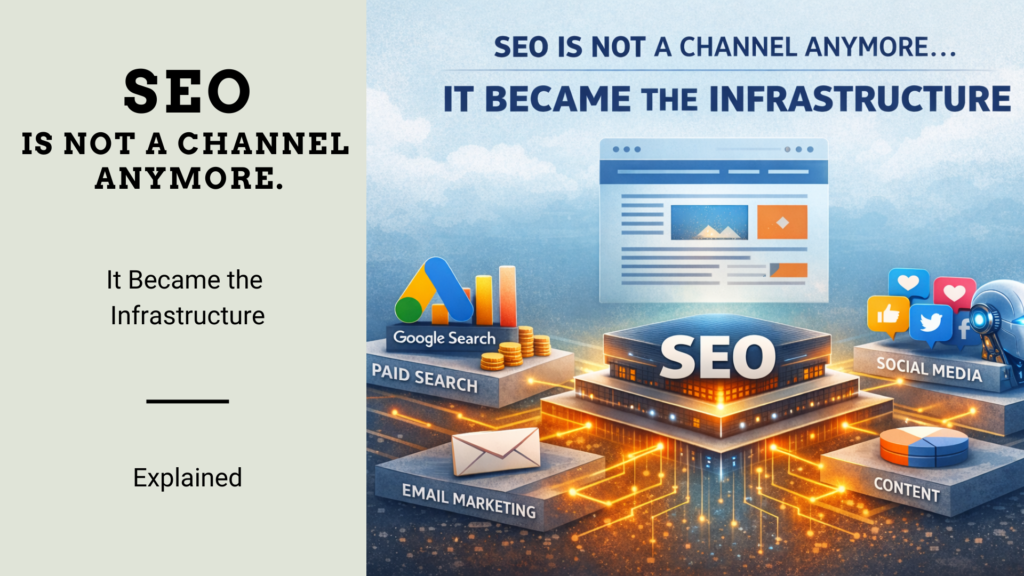
For years, digital marketing was sliced into departments.
SEO team. Paid team. Social team. Email team.
Everyone had their dashboard. Everyone had their metrics. Everyone defended their budget.
But the website sat in the middle of all this activity. And very few people asked a simple question.
Is the foundation strong enough to support everything we are pouring into it?
Ten years ago I used to say something that many clients found exaggerated. If your site is not SEO-ready, no channel will perform at its full potential.
At that time SEO meant rankings to most people. To me it meant structural readiness.
Clean architecture.
Clear internal logic.
Fast loading pages.
Intent-mapped content.
Authority built page by page.
When those elements are in place, something interesting happens. Paid traffic converts better without increasing spend. Social campaigns suddenly feel more effective. Even direct traffic behaves differently because the experience is coherent.
That was before AI changed the discovery landscape.
Now the shift is visible to everyone.
Search engines are no longer just ranking documents. AI systems are interpreting meaning. They summarise. They extract. They decide what represents your brand.
If your structure is weak, machines misinterpret you. It is that simple.
This is where SEO stopped being a channel and became infrastructure.
For those who prefer audio insights, this topic was also discussed in a recent podcast episode where I unpack how SEO evolved from traffic acquisition to digital infrastructure.
Paid Media Without SEO Is Expensive Acceleration
I have seen this repeatedly in performance campaigns.
A company invests heavily in Google Ads. Traffic spikes. Cost per click rises gradually. Conversion rate refuses to improve.
The usual reaction is to tweak the ad copy or increase the budget.
Rarely does someone pause and audit the structural layer.
Is the landing page aligned with search intent?
Is the content depth sufficient?
Is the page speed competitive?
Is the information hierarchy obvious?
All of these sit inside SEO discipline.
Paid media is acceleration. SEO is engineering.
If the engine is weak, acceleration only exposes the weakness faster.
When structural corrections are implemented, something subtle shifts. The same paid budget starts producing stronger returns. Not because the ads changed. Because the foundation did.
That connection is rarely acknowledged publicly. But every experienced performance marketer knows it.
AI Visibility Has Removed the Illusion
Earlier, a weak structure could still survive with aggressive paid campaigns.
Now AI interfaces summarise brands before users even click.
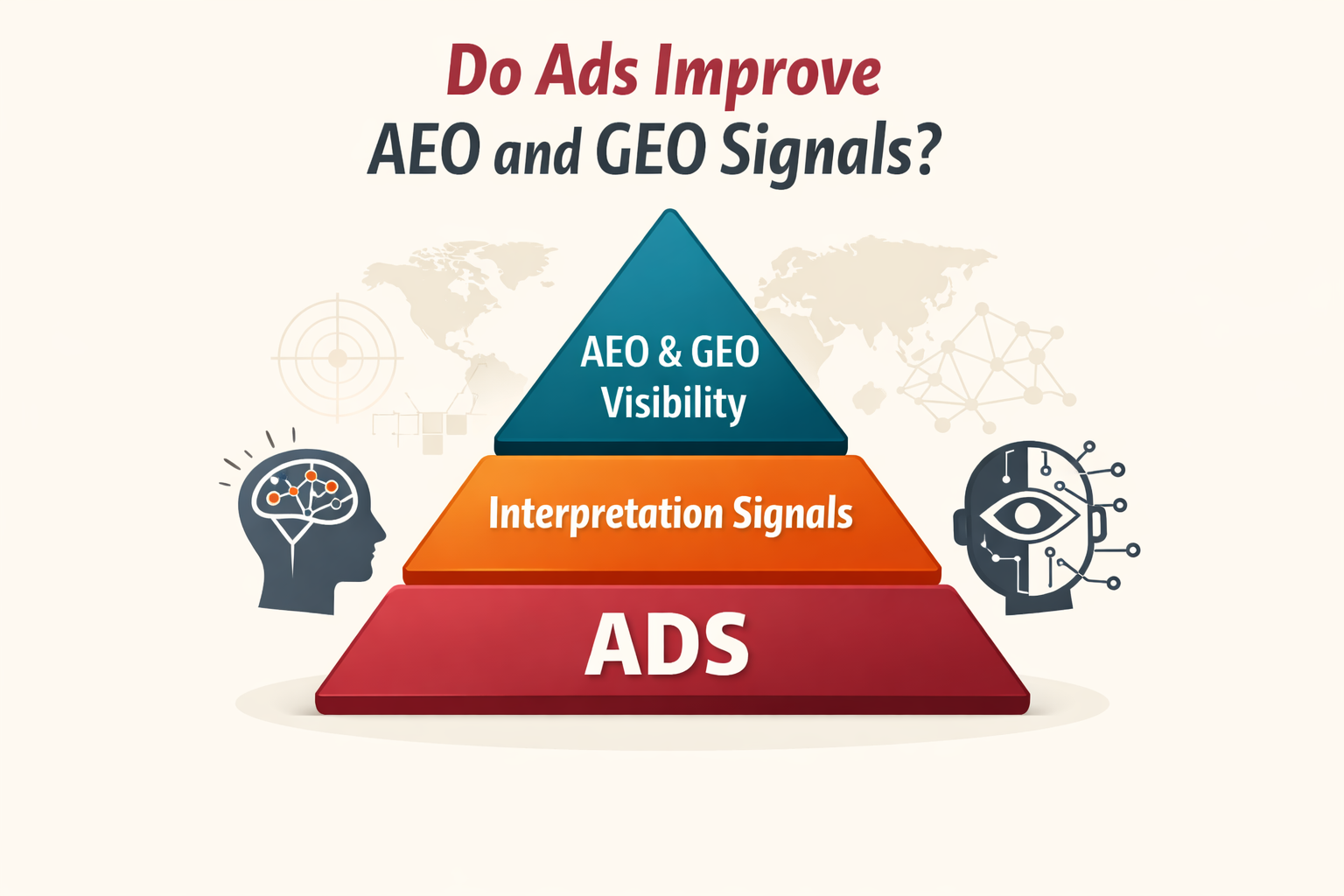
If your content lacks semantic clarity, entity consistency, and contextual depth, AI systems struggle to understand your business.
And when systems struggle to understand, they simplify you incorrectly.
That affects perception before traffic even arrives.
This is no longer about ranking position. It is about how machines describe you.
That shift alone proves something important.
SEO was never just about Google.
It was about making your digital presence understandable.
Now that machines are central to discovery, that understanding determines visibility across every channel.
Social Media Is Not Independent of Structure
There is a myth that social is separate from search.
But where does a social user go after clicking a link?
To your site.
If your site feels fragmented, slow, or unclear, engagement dies there.
SEO disciplines such as internal linking, topical clustering, and content hierarchy quietly support social performance.
The connection is indirect, but it is real.
Most brands measure channels separately. Users experience them together.
Infrastructure determines the experience.
The Strategic Shift
Calling SEO the father of digital marketing may sound dramatic.
The more accurate statement is this.
SEO matured into the structural layer that strengthens every digital channel.
Paid depends on it.
Content depends on it.
Social depends on it.
AI interpretation depends on it.
It is no longer a traffic tactic. It is a strategic discipline.
Businesses that recognise this integrate SEO thinking into planning. Not as a final checklist, but as an architectural blueprint.
Those that ignore it will continue to compensate with higher ad spend and reactive fixes.
Listen on Spotify: SEO is Not a Channel Anymore